 Menú
Menú

Menú
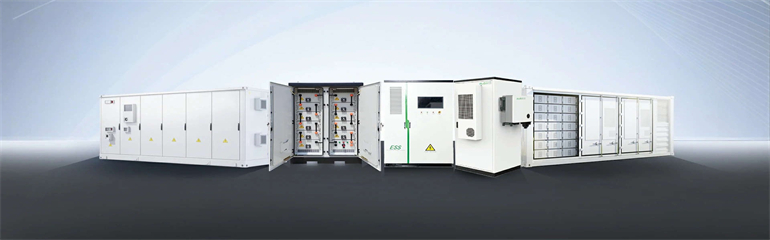
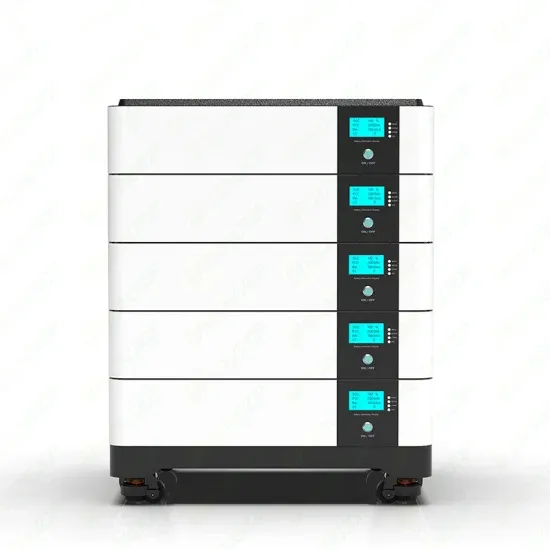
Candidate materials for (SSEs) include ceramics such as, , sulfides and. Mainstream oxide solid electrolytes include Li1.5Al0.5Ge1.5(PO4)3 (LAGP), Li1.4Al0.4Ti1.6(PO4)3 (LATP), perovskite-type Li3xLa2/3-xTiO3 (LLTO), and garnet-type Li6.4La3Zr1.4Ta0.6O12 (LLZO) with metallic Li. The thermal stability versus Li of the four SSEs was in order of LAGP < LATP < LLTO < LLZO. Chloride superionic conductors have been proposed as anoth.
[Versión PDF]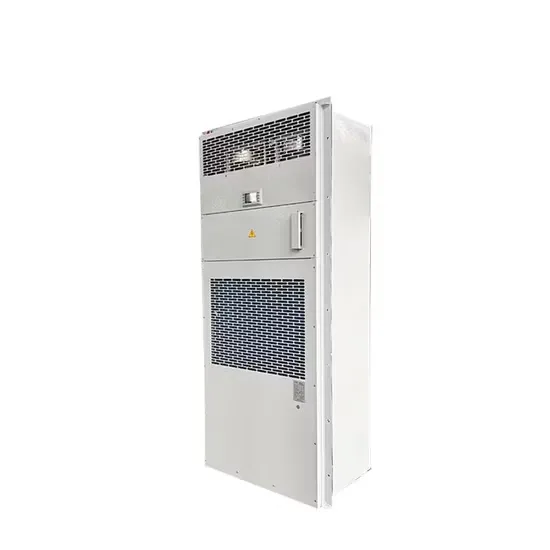
This article explores how lithium-based systems are transforming renewable energy integration, stabilizing power grids, and supporting Chile's mining sector. Discover market trends, real-world applications, and why companies like EK SOLAR are at the forefront of this.
[Versión PDF]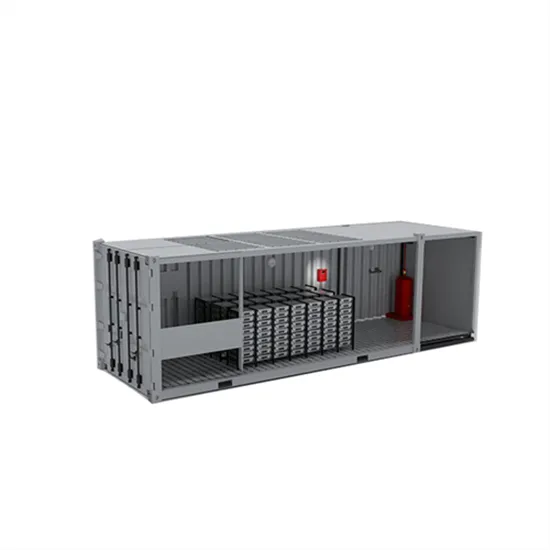
The lithium nickel cobalt aluminium oxides (abbreviated as Li-NCA, LNCA, or NCA) are a group of mixed metal oxides. Some of them are important due to their application in lithium-ion batteries. NCAs are used as active material in the positive electrode (which is the cathode when the battery is discharged). NCAs are composed of the cations of the chemical elements lithium, nickel, cobalt an. Properties of NCAThe usable charge storage capacity of NCA is about 180 to 200 mAh/g. This is well below the theoretical values; for.
[Versión PDF]